A taxi website is not a brochure. People land on it with a clear intent — I need a cab from here to there — and leave within seconds if they cannot act. These are the features that make the difference, grouped by what they do.
Get found
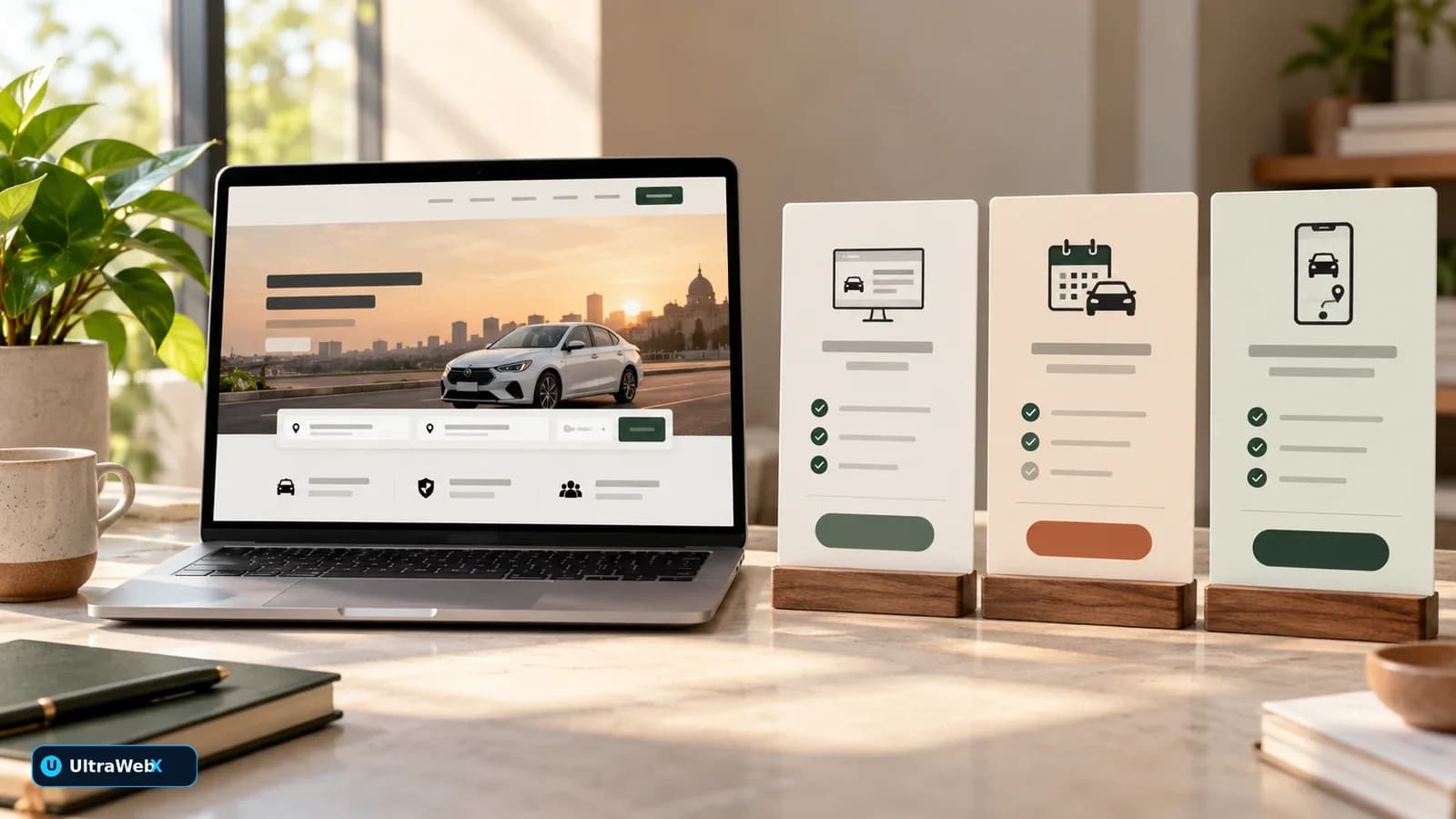
1. A separate page for every important route. "Dehradun to Kedarnath taxi" and "Dehradun airport taxi" are different searches. Each needs its own page with distance, travel time, vehicle options, starting fare and a booking button.
2. Service pages. Local rides, outstation, airport transfers, tour packages and corporate travel each deserve a page.
3. Technical SEO basics. Unique titles and descriptions, a sitemap, fast loading and structured data (LocalBusiness and FAQ schema) so Google understands who you are and where you operate.
Build trust in seconds
4. Real fleet photos. Your actual vehicles, clean and well lit. Stock photos of luxury cars are easy to spot.
5. Clear pricing guidance. Even "starting from" fares reduce hesitation. Mention what is included — tolls, parking, driver allowance, night charges.
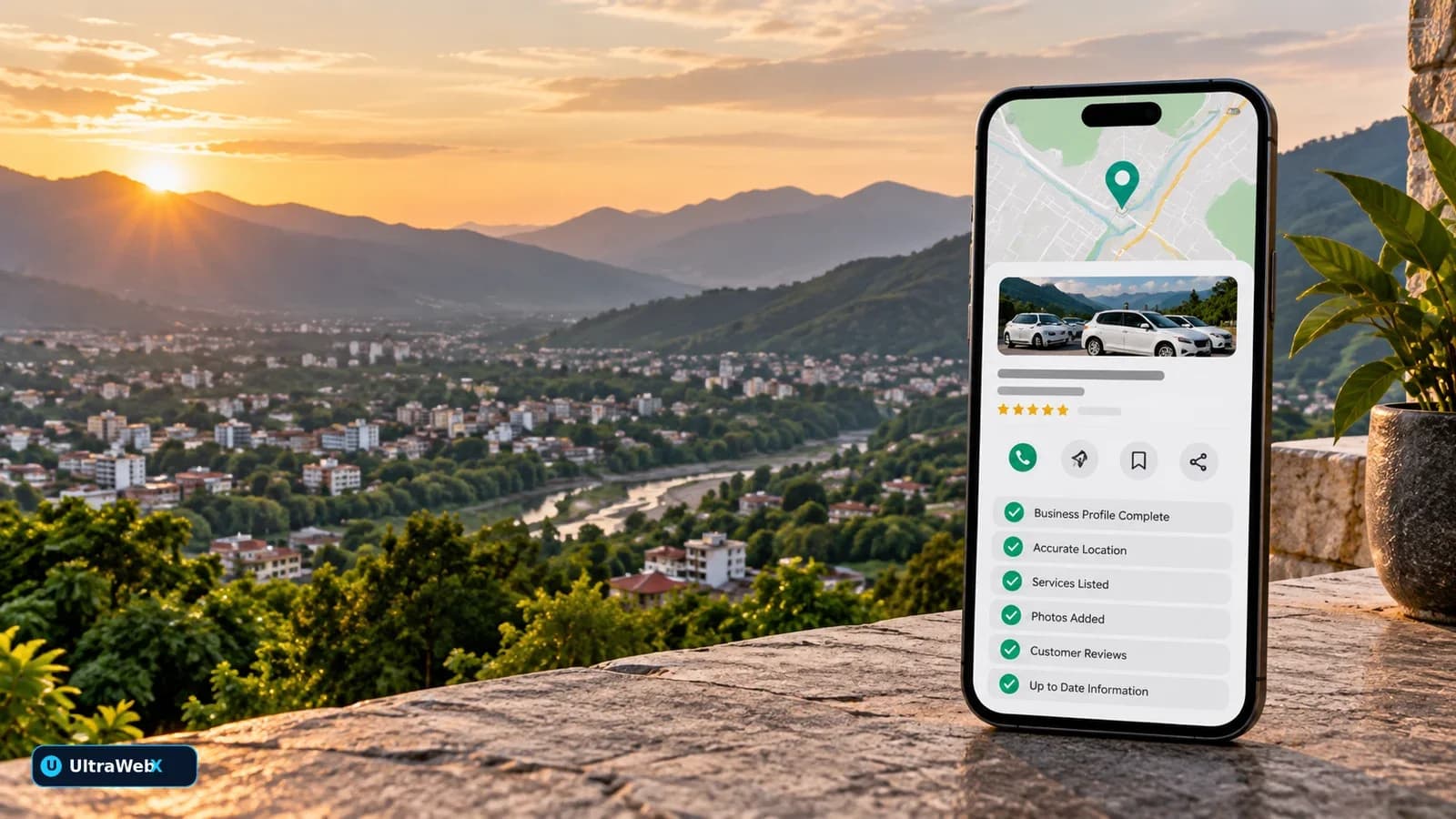
6. Contact details that match everywhere. The same business name, address and phone on the website, Google Business Profile and directories.
7. Genuine reviews. Link to your Google reviews rather than pasting unverifiable quotes.
Make booking effortless
8. Sticky Call and WhatsApp buttons. Always visible on mobile. Many customers prefer to talk before booking.
9. A short booking form. Pickup, drop, date, time, vehicle type — nothing more at first. Every extra field loses people.
10. Pre-filled WhatsApp messages. "Hi, I need a taxi from ___ to ___ on ___" gets you better-quality enquiries.
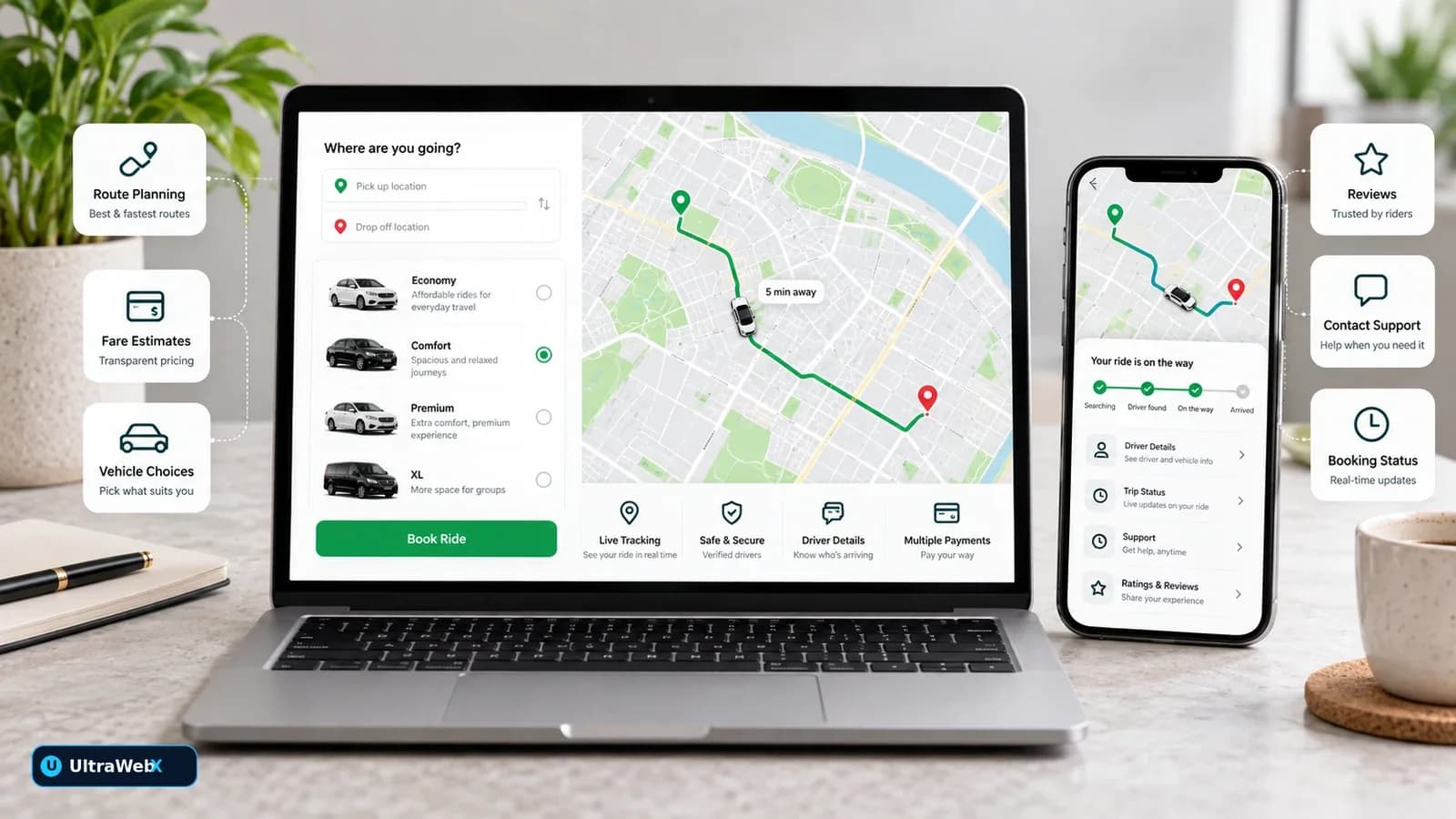
11. Fare calculator. Route-based fixed fares plus per-km rates by vehicle. Customers get a price immediately; you stay in control of the rate card.
12. Online advance payments (optional). Razorpay or UPI reduce no-shows for outstation trips.
Run the business
13. Admin panel. Edit routes, fares, vehicles and offers without calling a developer.
14. Booking management. Statuses, driver and vehicle assignment and customer notifications — this is where a website becomes taxi booking software.
15. Reports and invoices. GST-ready invoices and simple booking reports for your accountant.
What you can skip at the start
You do not need a native Android/iOS app on day one. A fast mobile website handles booking perfectly well, costs less, and needs no app-store download. Build the app later if you truly need driver tracking or repeat-customer features.
Where to start
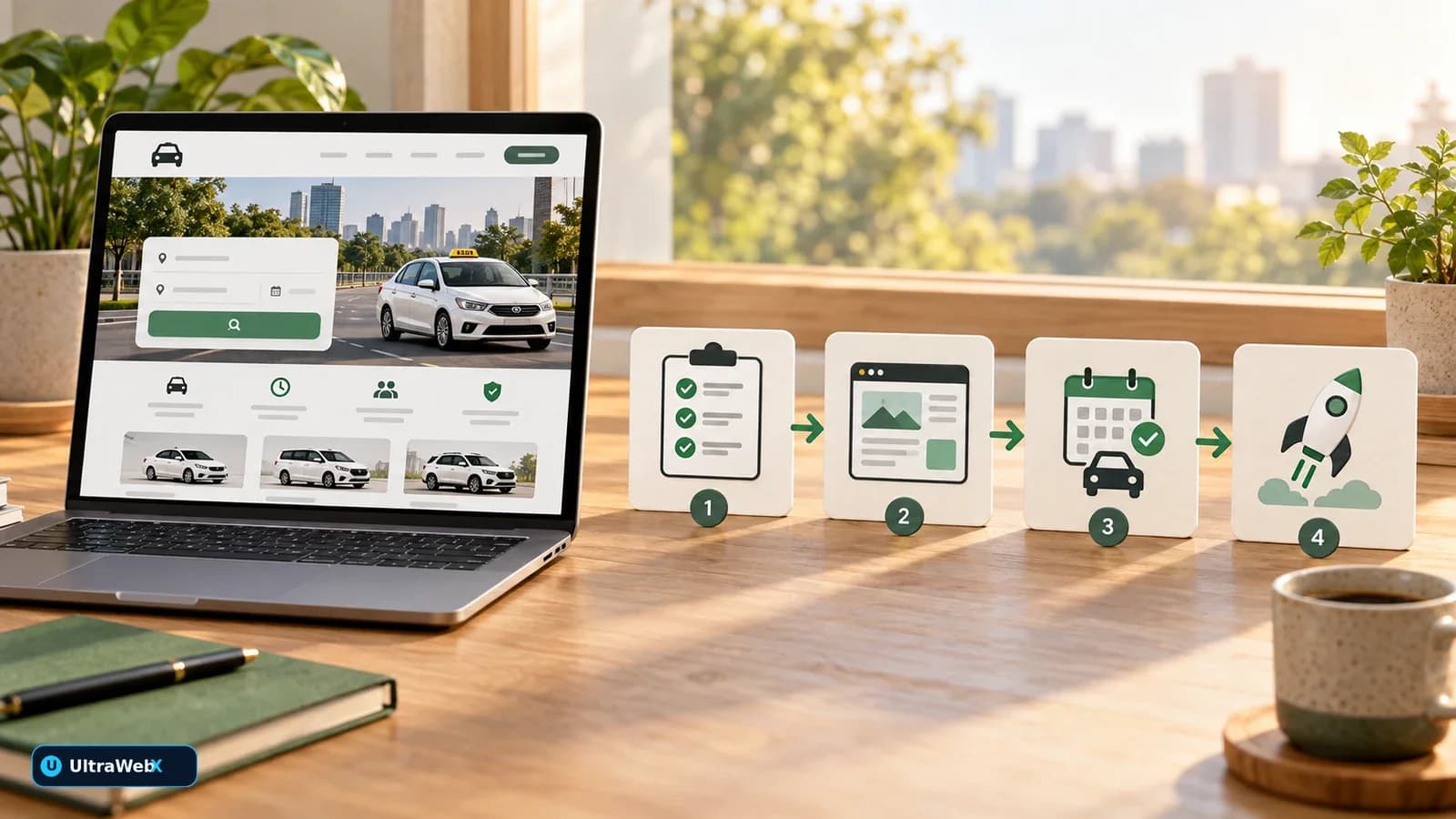
Most operators begin with features 1–10 and add the rest as bookings grow. See what that costs in our taxi website cost guide, or look at the taxi websites we have built.